Journal · 10 May 2026

Making an impact with your menu is not that hard

What actually works on the floor, from someone who ran the kitchens.

This column first appeared in Dutch in Misset Horeca. Our co-founder Thijs Koster writes about making restaurants lower impact in real practice rather than on paper, and the solutions he brought to life in his own kitchens, both systematically and through small changes.

The direction is clear. What remains is the translation. In my own restaurants, I did not want to compromise between product quality, service and impact. You cannot fix the world as a local operator. Hospitality entrepreneurs are used to setting their own course, driven by guest demand, location and return. External guidelines, however well founded, touch the core of the business: deciding for yourself what is right for your place.
Buying locally creates economic impact

That does not mean I could not make an impact. I chose to focus on where I could make a difference, and it turned out not to be that complicated. Local sourcing is becoming more accessible. Seasonal sourcing is straightforward, with wide availability and often better pricing.

Reducing waste felt more complex at first. Weighing, measuring, tighter portioning, sticking to recipes. But the logic is simple: buying more precisely saves money. Local sourcing creates real economic impact in your immediate environment and keeps value circulating in the region.

The question was how to get the team on board in a culture where locker-room humour and a relaxed approach resonate more than Scandinavian restraint or Japanese precision. A small internal competition helped. Reward the least wasteful. Not with a token gesture, but something that holds value: a new knife, dinner for two, a visit to a farmer. Make it as ambitious as you like, but let people choose what matters to them.

What works on paper does not automatically work on the floor. But what works on the floor does work on paper.

Where the guidelines are already heading

These choices align with the direction food is already moving in. More plant based, less animal based, more attention to seasonality and locality. Whether you look at international scientific frameworks or national dietary guidelines, that line is consistent.

For hospitality operators, the question is not whether anything needs to change, but how to make it workable. What makes sense at a system level quickly runs into habits, culture and economic reality in practice. A weekly portion of minced meat or steak of around 100 grams still feels like a step for many Dutch consumers. It shows how a global framework lands on a local plate.

The menu is the visible layer

Because we eat out so often, hospitality has a role to play. The menu is the visible layer, built on real choices in procurement. What you set as the default shapes what guests come to see as normal.

You see this clearly with animal protein. Less as the centrepiece, more as a component. More deliberate choices, for example fish or poultry instead of red meat, depending on what fits your kitchen and concept. Seasonality, availability and sourcing determine what makes sense to serve. Those who steer on that basis make more logical menu decisions and keep better control over margin and quality.

What used to sit mostly in guidelines is now showing up in how people eat. Not only at home, but in restaurants. Guests understand better what they eat and make more deliberate choices. It does not require a perfect menu. It does require a menu that shows you understand where this movement comes from and what you do with it in your kitchen.

Four kitchens that walk the talk

Looking at locality and waste reduction, here are four places across the Netherlands doing this in practice. It is always good to see that this is not exclusive to high end restaurants.

Ratatouille Food & Wine

Ratatouille Food & Wine

Haarlem

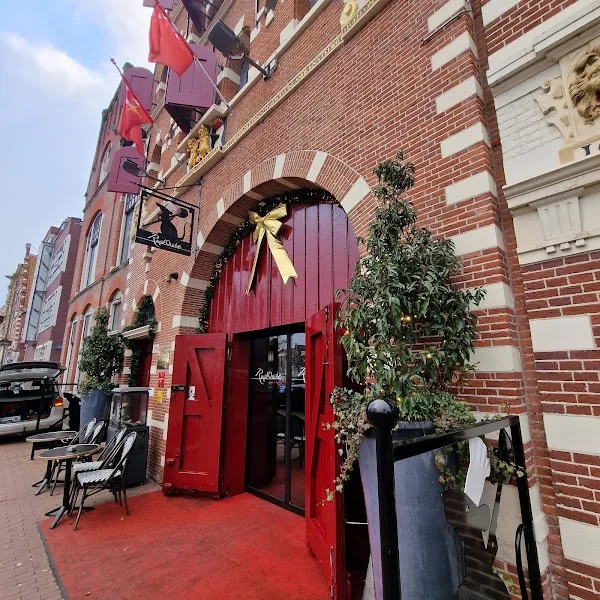
A Michelin-starred kitchen built on seasonal, high quality ingredients, with a French-inspired menu that follows what is actually available.

Local sourcingSeasonalLow wasteResponsible meat & fish
Stadsjochies

Stadsjochies

Utrecht

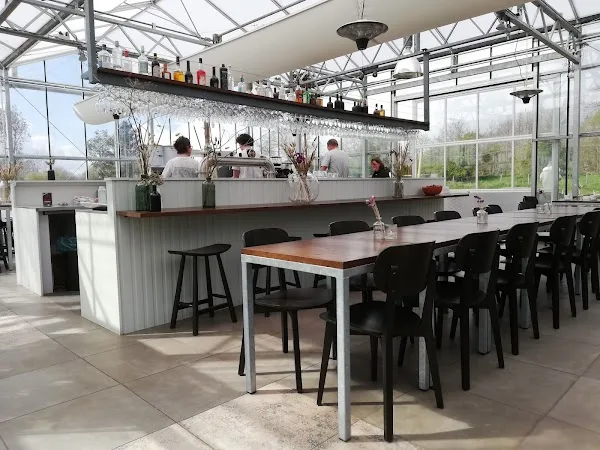
Dinner in a greenhouse, with their own greenhouses, open fields, vertical farm and tea garden supplying the kitchen daily.

Local sourcingSeasonalLow wasteResponsible meat & fish
Het Lokaal

Het Lokaal

Amersfoort

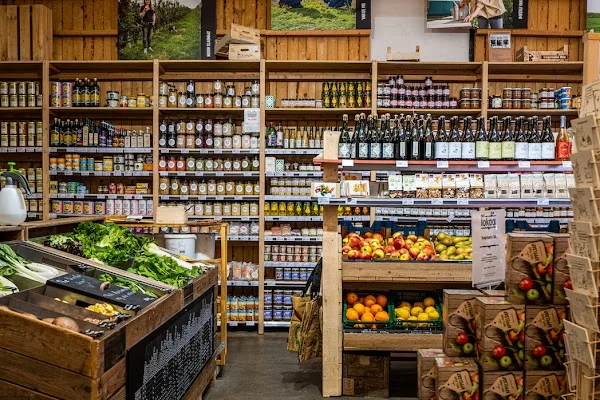
A shop and restaurant where most of what is sold and served is produced within a 50 km radius.

Local sourcingSeasonalLow wasteResponsible meat & fish
Maijard Smashburgers

Maijard Smashburgers

Amsterdam

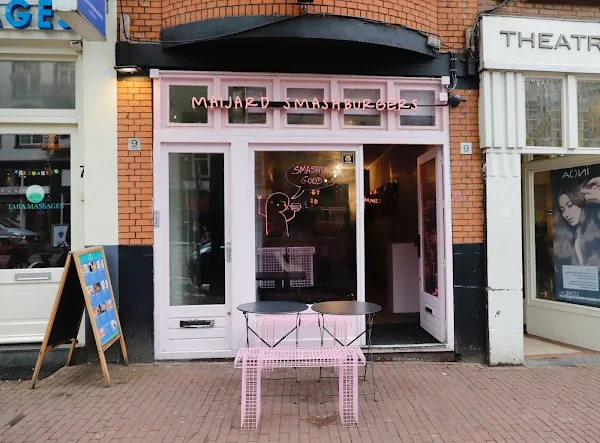
A limited daily selection of beef and lamb with local pickles and sauces, showing that named local sourcing works for fast food too.

Local sourcingLow wasteResponsible meat & fish

Browse every reviewed restaurant

Thijs Koster
Co-founder, My Treats

We don't advertise restaurants. We research how they source, cook and care, and show you what we find.

Browse the Food Identity database · See the SEERO method